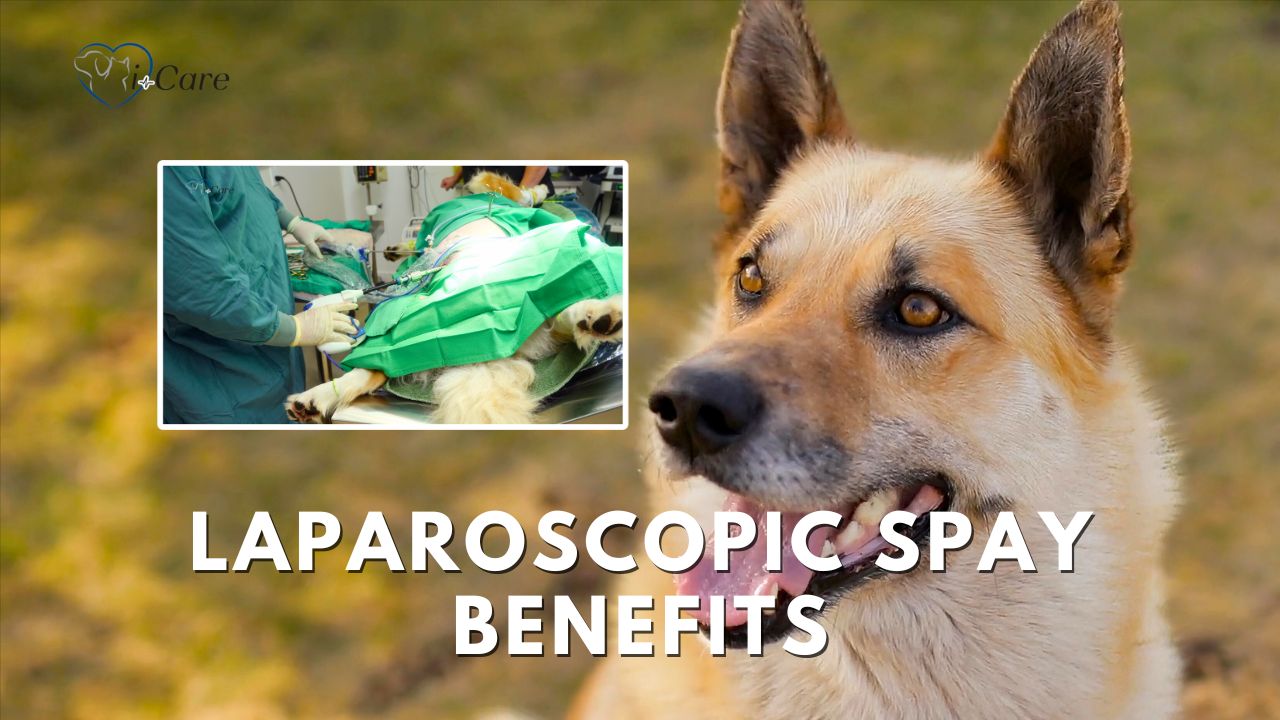
As a responsible dog owner, spaying your dog is one of the most important decisions you’ll make for their health. The question is, which spay method is right for your dog? At i-Care Veterinary Hospital in Coombs, BC, we offer both traditional spay surgery and laparoscopic spay. But what’s the difference, and why might laparoscopic spay be a better option? In this blog, we’ll break down the key differences between these two procedures and explain why laparoscopic spay is becoming the preferred choice for many pet owners. https://youtu.be/ctie_mWtBps Traditional Spay: What to Expect Traditional spaying involves a single, larger incision in the abdomen to remove the ovaries and uterus. While this method is effective and has been used for decades, it can lead to: A larger surgical wound More post-operative discomfort for your dog Longer recovery times (often requiring up to 10-14 days before your dog can resume normal activity) For many dogs, the recovery process can be challenging, especially with the need to limit physical activity and wear an e-collar for extended periods. What is Laparoscopic Spay? Laparoscopic spay is a minimally invasive procedure that uses a small camera (laparoscope) and specialized instruments to remove the ovaries through tiny incisions. At i-Care Veterinary Hospital, we’re proud to be the only clinic on Vancouver Island currently offering this advanced surgical technique for dogs. Here’s why many pet owners are choosing laparoscopic spay: Smaller Incisions, Less Pain Since laparoscopic surgery involves just a couple of tiny incisions, there’s far less trauma to your dog’s body compared to traditional spay. This translates to significantly less pain after the surgery. Faster Recovery Dogs undergoing laparoscopic spay tend to recover much faster. In many cases, they’re back to normal activities within a few days, compared to the extended downtime required for traditional spaying. Fewer Complications Laparoscopic surgery allows for greater precision, reducing the risk of complications such as excessive bleeding or infection. Additionally, the smaller incisions heal quicker and leave minimal scarring. Is Laparoscopic Spay Right for Your Dog? While laparoscopic spay offers several advantages, the choice of procedure will depend on your dog’s age, health, and specific needs. Our veterinarians at i-Care Veterinary Hospital are here to provide guidance and recommend the best option for your dog’s overall health and well-being. Why Choose i-Care Veterinary Hospital? At i-Care, we believe that every pet deserves the best care possible. Our experienced veterinary team is fully trained in performing laparoscopic spay, and we’re proud to offer this advanced option to...
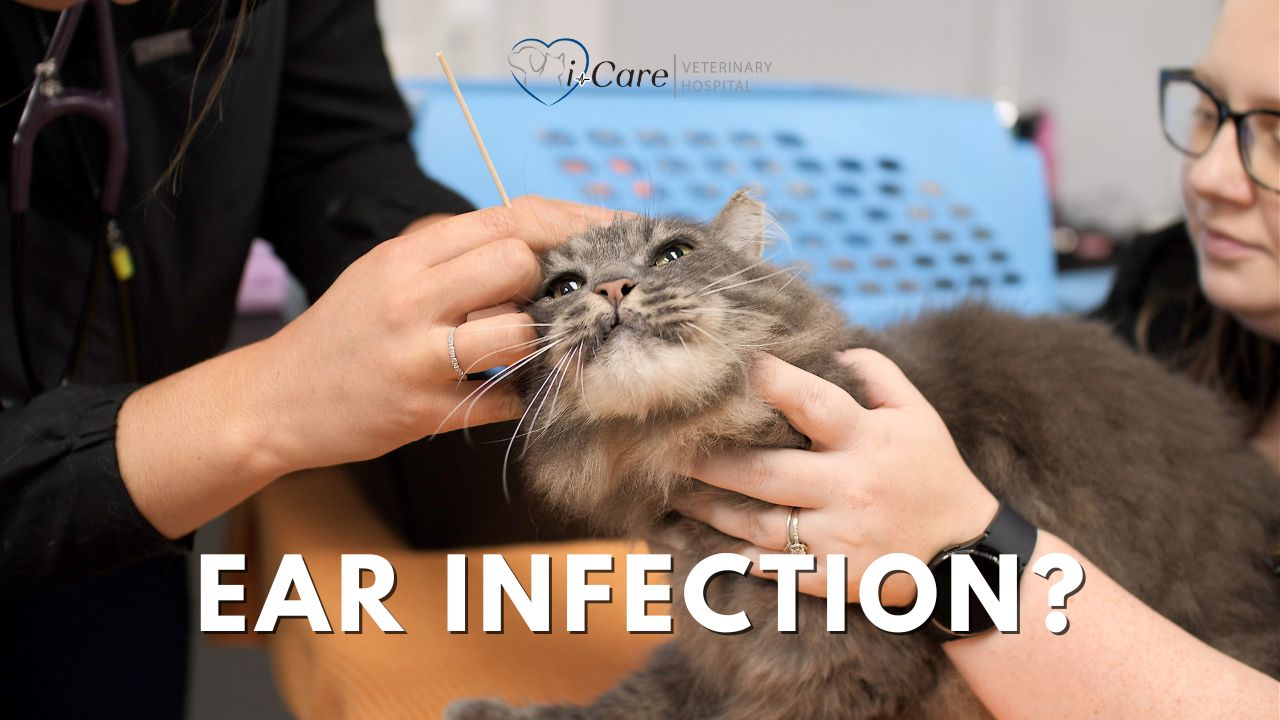

Cats are known for their keen senses, especially their exceptional hearing. However, when their ears are affected by infections, it can lead to discomfort and potentially more serious health issues. Ear infections, also known as otitis externa, occur when the outer ear canal becomes inflamed or infected due to various causes such as bacteria, yeast, or ear mites. https://www.youtube.com/watch?v=2oLklHk67_g What Causes Ear Infections in Cats? Unlike in dogs, ear infections in cats are relatively rare but can still develop if there is an underlying condition affecting the ear. Some of the common causes include: Ear Mites: These tiny parasites are one of the leading causes of ear infections in cats, particularly in kittens. They cause intense itching, leading to excessive scratching, which can result in infections ​(Cornell Vet Med)​(PDSA - The vet charity for pets in need). Bacterial and Yeast Overgrowth: Overgrowth of bacteria or yeast in the ear canal can lead to an infection, particularly if there is an underlying issue like skin allergies or an ear injury​ (Vca). Allergic Reactions: Cats with skin allergies are more prone to developing ear infections because their skin (including the skin inside their ears) becomes more sensitive to irritants ​(PDSA - The vet charity for pets in need). Foreign Objects or Polyps: Sometimes, a foreign object like a grass seed or a polyp can get lodged inside a cat’s ear, causing irritation and infection​ (Cornell Vet Med). Symptoms of Ear Infections in Cats It’s important to recognize the signs of an ear infection early on to prevent it from worsening. Symptoms can vary depending on the severity and cause of the infection, but common signs include: Scratching or rubbing the ears: Your cat may be frequently scratching at or rubbing their ears due to the irritation. Head shaking: Cats with ear infections often shake their heads to try to alleviate the discomfort​ (Cornell Vet Med). Odour: A foul smell coming from the ears is a common indicator of an infection. Discharge: You might notice dirt-like debris, discharge, or blood coming from the infected ear ​(PDSA - The vet charity for pets in need). Swollen ear flaps: In some cases, the outer ear flap may become swollen or droopy. How Are Ear Infections Diagnosed? Veterinarians typically perform an ear examination and take a sample from the ear canal to test for bacteria, yeast, or mites. A microscopic evaluation of the sample helps determine the exact cause of the infection and...

Are you curious about what happens during a routine vet check-up and vaccine consultation? ???? Follow along as we take you behind the scenes of a visit to i-Care Veterinary Hospital, where two adorable dogs receive a thorough check-up and consultation. ???? For pet parents and animal lovers alike, this glimpse into a real vet appointment highlights how veterinarians work to keep our furry friends in top shape. From routine health checks to administering vital vaccines, vets play an essential role in maintaining your pet's well-being. ????✨ See Dr. Erynn Buhr in action...

Experienced veterinarians have seen all kinds of conditions and situations, especially veterinarians like Dr. Westcott who has previous experience in emergency veterinary medicine. So then what would surprise Dr. Westcott enough for him say OMG?? To find out, watch this video about a recent feline patient and see the way Dr. Westcott and the team at i-Care helped this poor cat. https://youtu.be/yKyjbVX3G4U...

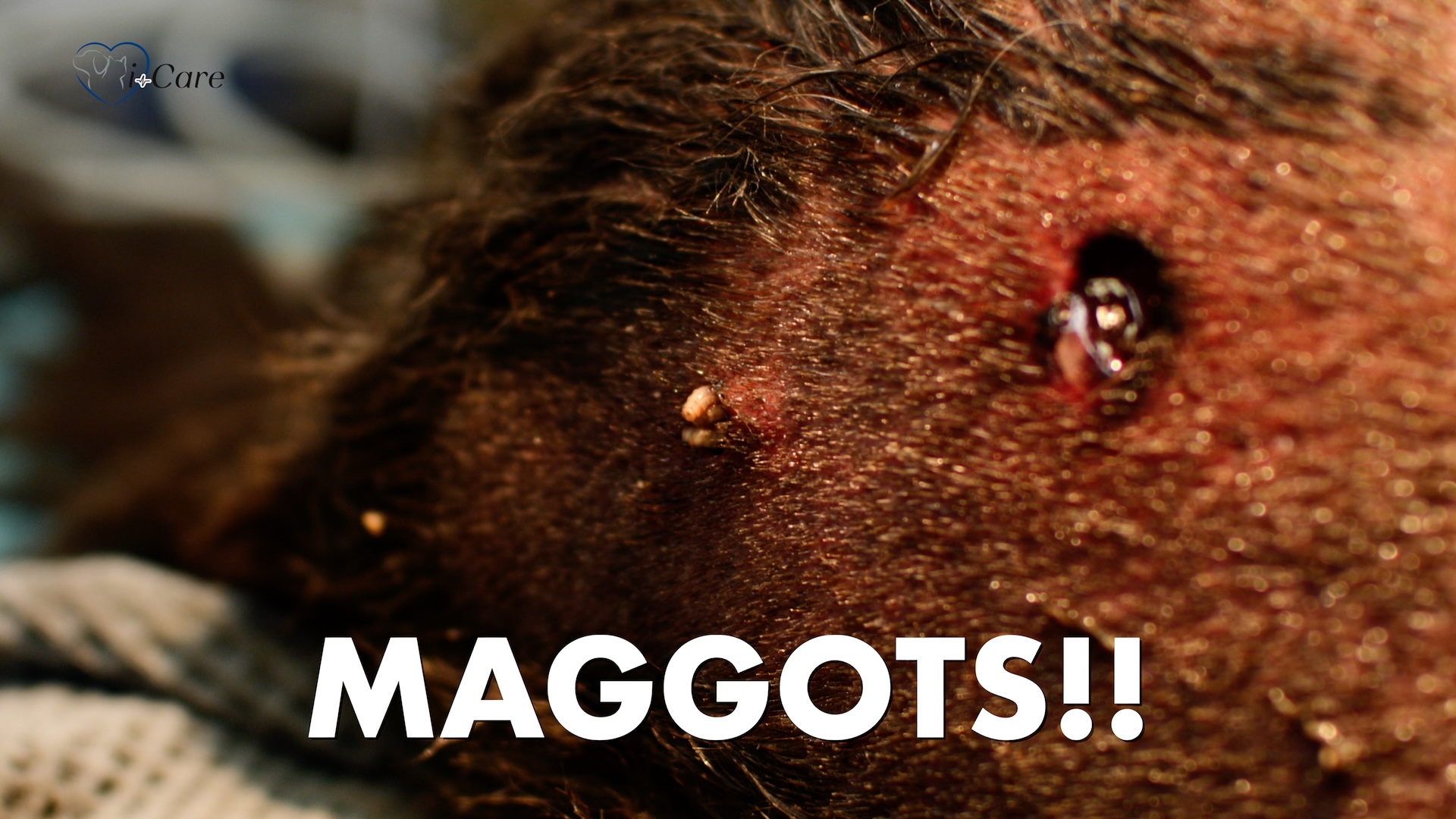
As a veterinarian here on Vancouver Island, I've seen my fair share of unusual cases. Recently, Dr. Westcott and our team at i-Care Veterinary Hospital treated a dog with a maggot infestation in its back. While it may sound alarming, understanding how this happens and how to prevent it can help keep your furry friends safe. https://youtu.be/dBA0OzxWvYo What are Maggots? Maggots are fly larvae that develop from eggs. In nature, they play a crucial role in decomposition. However, when they appear on living animals, it's a condition called myiasis, which requires immediate veterinary attention. How Do Dogs Get Maggots? Maggots typically infest dogs through open wounds or areas of moist, matted fur. In the case we recently treated, the maggots likely entered through an unnoticed or unhealed injury on the dog's back. This can happen more easily than you might think, especially in long-haired breeds or dogs that spend a lot of time outdoors. Common causes include: Untreated wounds Matted fur that traps moisture Poor hygiene or living conditions Underlying health issues that compromise the skin's integrity Symptoms to Watch For If you suspect your dog might have a maggot infestation, look out for: Visible larvae in or around a wound Unusual odours Excessive licking or chewing at a particular area Swelling or redness of the skin Lethargy or loss of appetite Treatment In the case of our recent patient, treatment involved surgical intervention. Dr. Westcott made an incision in the dog's back to access the affected area, carefully removed all maggots, thoroughly cleaned the wound, and then closed the incision with stitches. While this might sound intense, prompt treatment is crucial to prevent further complications. Depending on the severity, treatment may also include: Wound cleaning and debridement Antibiotics to prevent secondary infections Pain management Follow-up care to ensure proper healing Prevention is Key As with many health issues, prevention is the best approach. Here are some tips to help protect your dog: Regular Grooming: Keep your dog's coat clean and free of mats, especially during warmer months. Prompt Wound Care: Clean and monitor any cuts or scratches your dog may get. Flea Prevention: Regular flea treatments can help prevent skin irritations that might attract flies. Environmental Management: Keep your yard clean and free of animal waste, which can attract flies. Regular Check-ups: Routine veterinary visits can catch potential issues before they become serious. Here on Vancouver Island, our warm summers can create ideal conditions for flies. Be extra vigilant during these months, especially...