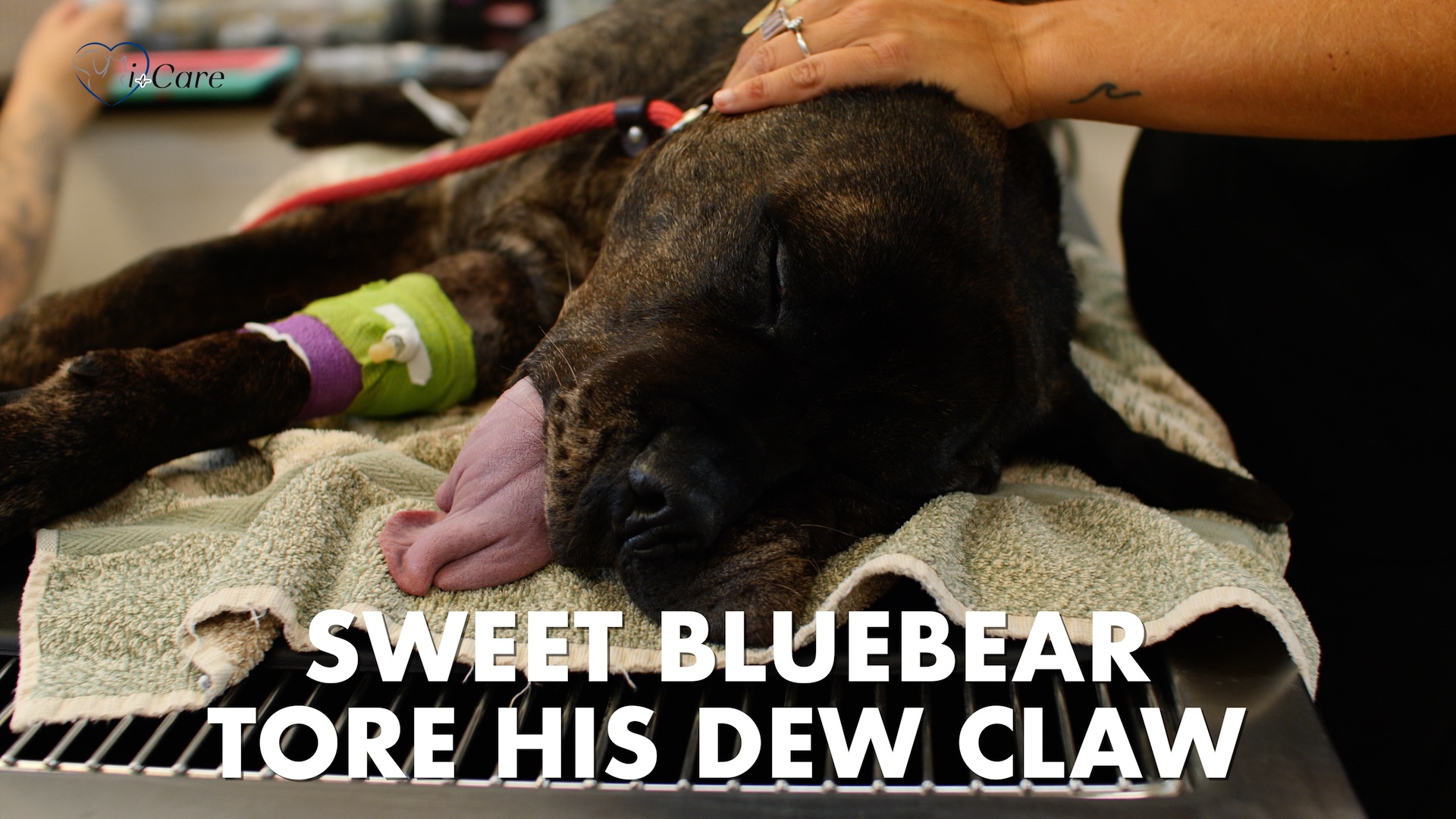
At i-Care Veterinary Hospital we often see cases of torn dew claws in dogs, a condition that can cause significant discomfort for our furry friends. In this blog post, we will explain what a torn dew claw is, how to recognize the symptoms, and outline effective treatment options. If your dog has been limping or excessively licking its paw, it might be dealing with a torn dew claw. https://youtu.be/Csjj5JmIetM What is a Dew Claw? Dew claws are the small claws located slightly higher up on a dog's leg, resembling a human thumb. They do not touch the ground and are often overlooked. However, these claws can easily get caught on objects, leading to tears or injuries. Causes of a Torn Dew Claw A torn dew claw can occur from various activities, such as: Playing Roughly: Dogs love to play and can sometimes snag their dew claws on toys or rough surfaces. Hiking or Walking in Dense Underbrush: Natural environments with branches and brambles pose a risk for dew claws to get caught and torn. Nail Neglect: Overgrown dew claws are more likely to get snagged and torn, emphasizing the importance of regular nail trimming. Recognizing the Symptoms Common symptoms of a torn dew claw include: Limping: Your dog may favor a paw and exhibit a noticeable limp. Licking or Chewing: Excessively licking or chewing at the affected paw. Visible Injury: Blood, swelling, or a visibly damaged nail. Pain: Whining or yelping when the area is touched. Treatment Options If you suspect your dog has a torn dew claw, follow these steps: Examine the Injury Carefully: Gently inspect the affected area. If there's excessive bleeding, apply pressure with a clean cloth. Clean the Wound: Use mild antiseptic to clean the wound and prevent infection. Bandage the Paw: If the injury is minor, bandage the paw to protect it from further damage. Consult Your Veterinarian: For more severe injuries, immediate professional care is essential. Our experienced veterinarians at i-Care Veterinary Hospital are equipped to provide the best care. Prevention Tips Prevent torn dew claws by: Regular Nail Trimming: Keep dew claws neatly trimmed to reduce the risk of snagging. Provide Safe Play Environments: Ensure your dog's play area is free of potential hazards. Routine Check-Ups: Regular vet check-ups can help identify and address dew claw issues early. A torn dew claw can cause significant pain for your dog, but with the right care and attention, your pet can recover quickly. If you have any...
Think we love our patients here at i-Care? https://youtu.be/IcI3pK1mOWA At i-Care Veterinary Hospital, nestled in the heart of Coombs, BC, every day is a unique blend of compassion, cutting-edge technology, and groundbreaking care. ???????? i-Care Veterinary Hospital is proudly family-owned and operated! We serve Coombs, Parksville, Qualicum Beach, Port Alberni, northern Nanaimo, and all areas of Vancouver Island, we’re here to provide top-notch care that turns challenges into heartwarming success stories. ????️???? #VancouverIslandDogs #Pethealth #DogHealth...

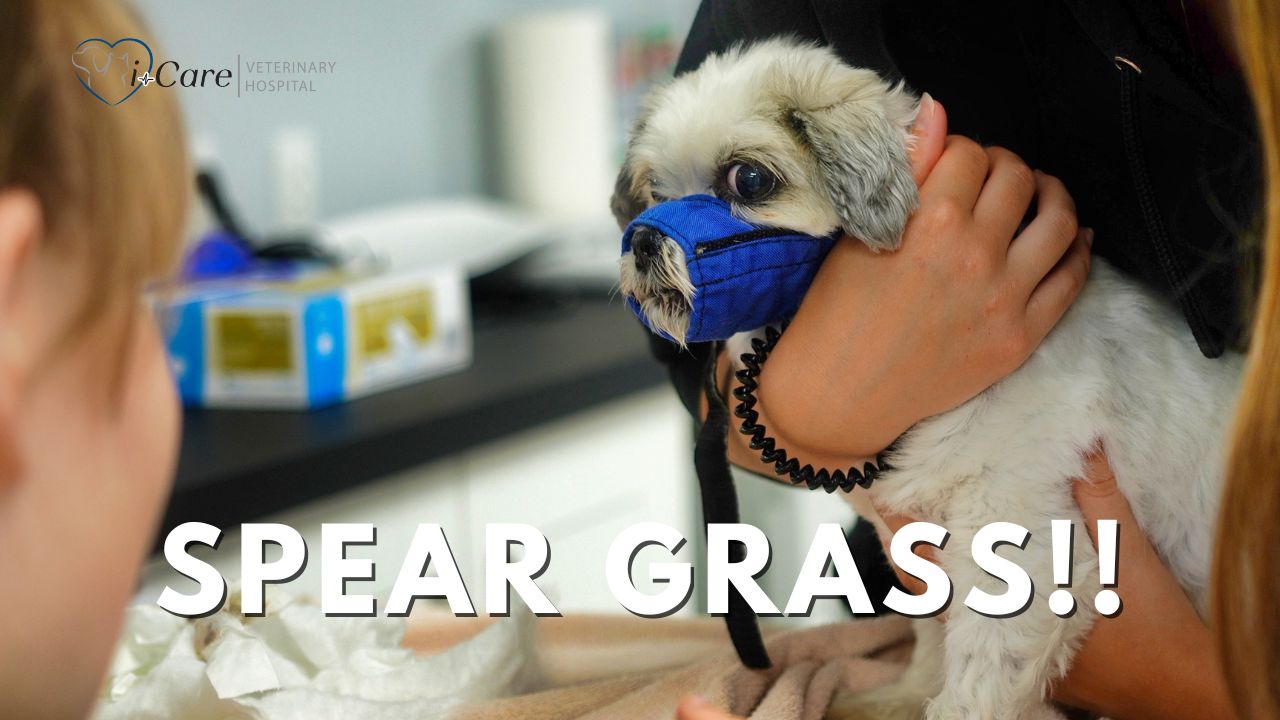
At i-Care Veterinary Hospital, we want to share information about a potential hazard for dogs: spear grass. Summers on Vancouver Island are beautiful, but it's important for dog owners to be aware of spear grass and how it can cause issues for our canine companions. What is Spear Grass? Spear grass, also known as needle grass, is a type of wild grass with sharp, barbed seeds. These seeds have a pointed end that can attach to an animal's fur or skin. The barbs can make it difficult for the seeds to fall off naturally. https://youtu.be/LFp_aEQ5iZ0 Here on Vancouver Island, particularly in the drier areas of Central Vancouver Island, spear grass can be found in open fields, along trails, and in some less-maintained areas of our parks. Potential Issues Related to Spear Grass: The sharp seeds of spear grass may: Become embedded in a dog's skin Get lodged in ears, eyes, nose, or paws If inhaled, potentially travel through the respiratory system If swallowed, potentially cause internal issues Signs Your Dog May Have Encountered Spear Grass: Licking or chewing at a particular spot Shaking of the head Squinting or pawing at the eye Sneezing or changes in breathing Sudden limping or favoring a paw Preventive Measures: Be cautious when walking your dog in areas with long, dry grass during summer months Keep your lawn short and well-maintained Check your dog's coat, paws, and ears after walks, especially if they've been in long grass Consider trimming the hair between your dog's toes What to Do If You Suspect Spear Grass: If you think your dog may have picked up a spear grass seed, it's advisable to seek veterinary care. Attempting to remove it yourself may cause the seed to break off, potentially leaving part of it inside your pet. At i-Care Veterinary Hospital, we're available to address concerns about spear grass or other pet health issues. You can reach us at 250-947-9364 or visit our website at icarevet.com to schedule an appointment. We serve all areas of Central Vancouver Island. Wishing you and your canine companions a safe and enjoyable Vancouver Island summer!...

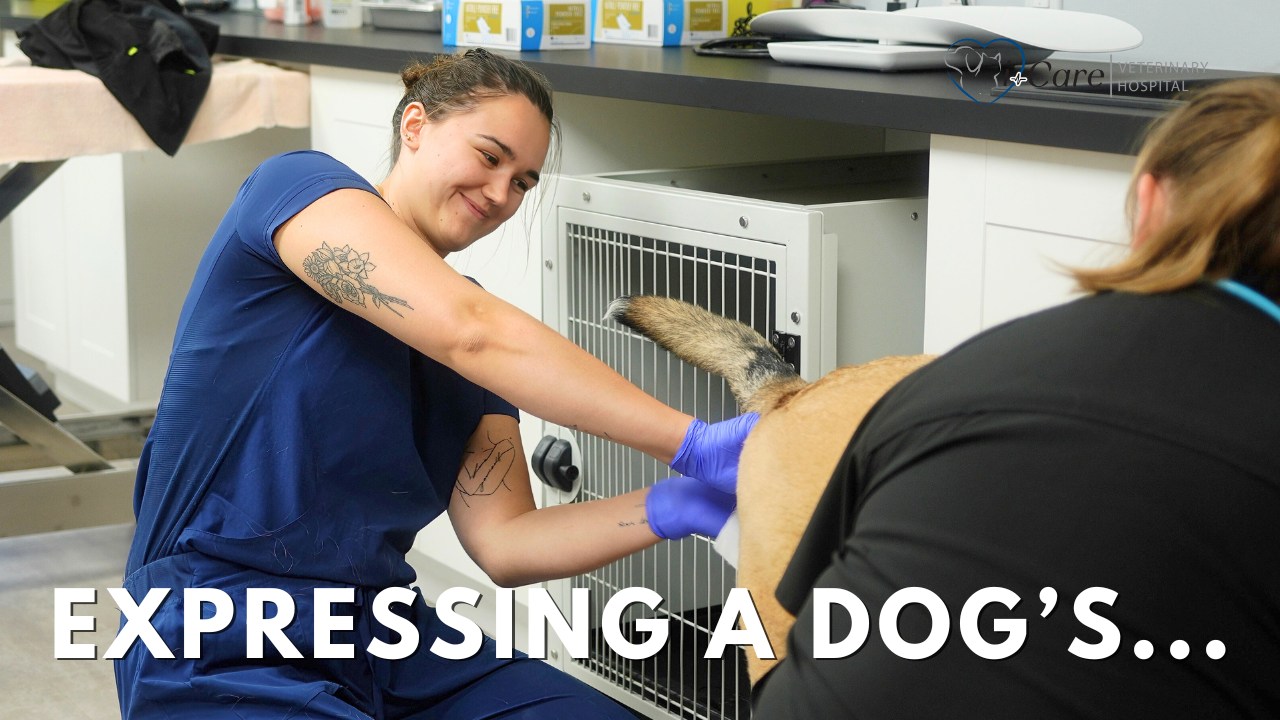
As a dog owner, you may have heard about anal glands but might not be sure what they are or why they're important. Let's dive into this often-overlooked aspect of canine health and learn why some dogs need their anal glands expressed. What Are Anal Glands? Anal glands, also called anal sacs, are small pouches located on either side of your dog's anus. These glands produce a strong-smelling, oily substance that dogs use to mark their territory and communicate with other canines. https://youtu.be/IohZRlTY1G4 Why Do Some Dogs Need Their Anal Glands Expressed? In most cases, dogs naturally express their anal glands when they defecate. However, some dogs may experience issues with this process, leading to discomfort and potential health problems. Signs Your Dog May Need Their Anal Glands Expressed: Scooting or dragging their bottom on the ground Excessive licking or biting at their rear end A strong, fishy odour coming from your dog Visible swelling or redness around the anal area Causes of Anal Gland Problems Several factors can contribute to anal gland issues in dogs: Soft stools or diarrhea Obesity Allergies Anatomical differences When to Seek Veterinary Care If you notice any of the signs mentioned above, it's essential to consult with your veterinarian. At i-Care Veterinary Hospital, we can assess your dog's anal glands and determine if they need to be expressed. The Expression Process Expressing anal glands is a quick and relatively simple procedure that can be performed by a veterinarian. It involves gently squeezing the glands to release the built-up fluid. Prevention and Management While not all dogs will experience anal gland issues, there are steps you can take to promote healthy anal gland function: Ensure your dog maintains a healthy weight Provide a high-fibre diet to promote firmer stools Regular exercise to encourage natural expression When in Doubt, Ask Your Vet If you're unsure whether your dog needs their anal glands expressed or have any concerns about their health, don't hesitate to reach out to us at i-Care Veterinary Hospital. We're here to help keep your furry friend happy and healthy! Remember, every dog is unique, and what works for one may not work for another. By staying attentive to your dog's needs and working closely with your veterinarian, you can ensure your pup stays comfortable and healthy....

The highly anticipated August long weekend has arrived! We wish you and your family a joyous and safe holiday. Please note that if your dog or cat faces an emergency or requires urgent care, our clinic will be open on Saturday, August 3, and Sunday, August 4, during our regular hours from 8 AM to 5 PM. However, we will be closed on BC Day, August 5. For any emergencies or urgent situations on August 5, kindly contact or visit Central Island Veterinary Emergency Hospital at (250) 933-0913. ...

As the August long weekend approaches, and with it the peak summer heat, it’s crucial to keep our furry friends cool and comfortable. At i-Care Veterinary Hospital, we understand that the well-being of your pets is a top priority. Here are some essential tips to help dog and cat owners ensure their pets stay safe and cool during the hot days ahead. 1. Provide Plenty of Fresh Water Hydration is key in the summertime. Always ensure your pets have access to fresh, cool water. Place multiple water bowls around your home and refill them frequently. Adding ice cubes to the water can help keep it cooler for a longer period, making it more refreshing for your pets. 2. Create Cool Resting Spots Your pets need shaded areas where they can relax and escape the intense sun. Create cool resting spots in your home with fans or air conditioning. Even a simple shaded spot outdoors can provide relief from the heat. 3. Avoid Peak Heat Times Walk your dog in the early morning or late in the evening when temperatures are cooler. Avoid taking them out for rigorous exercise during peak heat times, typically between 10 AM and 4 PM, to prevent overheating. 4. Use Cooling Mats and Towels Cooling mats and towels can provide a cool surface for your pets to lie on. You can also wet a towel with cool water and lay it down for your pet to lie on or drape it over them to help reduce their body temperature. 5. Never Leave Pets in a Parked Car Under no circumstances should you leave your pet in a parked car, even with the windows open. The temperature inside a car can rise rapidly and become deadly within minutes. If you need to run errands, it’s best to leave your pets at home. 6. Serve Frozen Treats Frozen treats are a fun and delicious way to help your pets stay cool. You can freeze pet-safe fruits like blueberries or strawberries, or make pet-friendly popsicles using plain yogurt. These treats not only cool them down but also provide hydration. 7. Grooming Regular grooming helps to remove excess hair and promotes better air circulation on your pet’s skin. However, be cautious not to shave your pet’s coat too short, as their fur provides protection from the sun’s harmful rays. 8. Know the Signs of Heat Stroke It’s important to be aware of the signs of heat stroke in pets. Symptoms include excessive panting, drooling, lethargy, vomiting,...